
A limited-equipment plan should filter recipes before they appear. Someone relying on a microwave should not receive a week filled with stovetop instructions. The planner also needs enough no-cook and microwave-compatible options to maintain variety.
Key takeaways
- Filter recipes by equipment before optimizing the week.
- Combine microwave meals with no-cook breakfasts and snacks.
- Use ingredients that can be safely stored and assembled in different ways.
- Keep preparation steps short and explicit.
Choose compatible meal formats
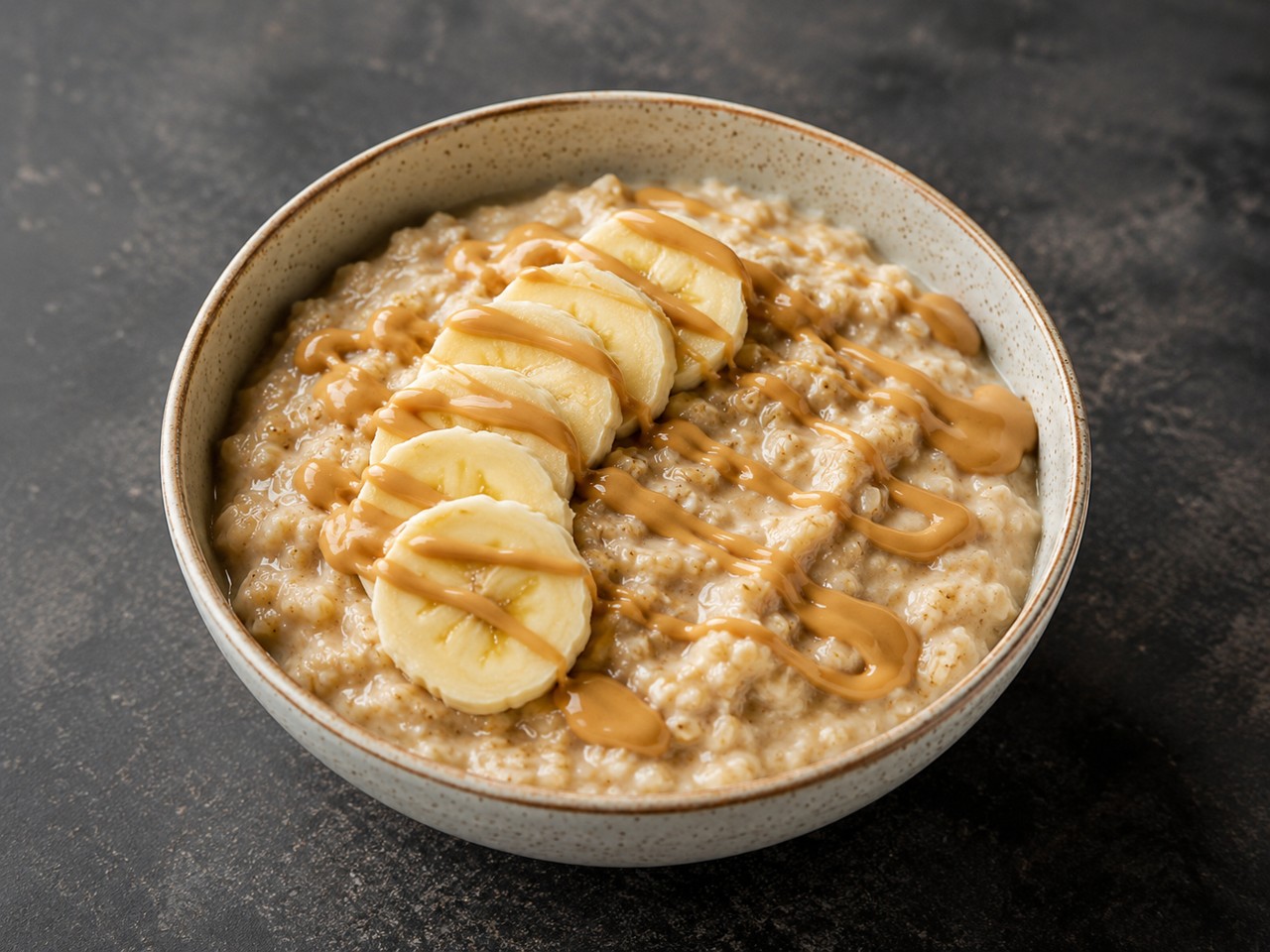
Oatmeal, loaded potatoes, rice bowls using prepared ingredients, yogurt bowls and simple assembly meals can fit a microwave-focused week. Ingredient and package instructions must still be followed.
Avoid hidden equipment requirements
A recipe should not be labeled microwave-friendly when it quietly requires browning, baking or blending. Equipment metadata needs to be part of the structured recipe database.
Use prepared components carefully
Pre-cooked grains, canned foods and frozen vegetables can simplify the week. The planner should show package information and avoid claiming that every prepared product has identical nutrition.
Maintain variety through toppings and assembly
The same base can become different meals with vegetables, sauces, seasonings and protein choices. This keeps the grocery list compact without producing identical days.
Provide a realistic preparation workflow
The workflow should focus on portioning, safe reheating and organizing ingredients rather than pretending the user is completing a traditional batch-cooking session.
Questions people ask
Can every SoloFuel recipe be made in a microwave?
No. The equipment filter excludes recipes that require unavailable tools.
Are microwave meals automatically unhealthy?
A cooking method alone does not determine whether a meal fits a user’s goals. Ingredients, portions and overall planning matter.
Can I combine microwave and no-cook meals?
Yes. That combination can create more variety for users with limited equipment.