
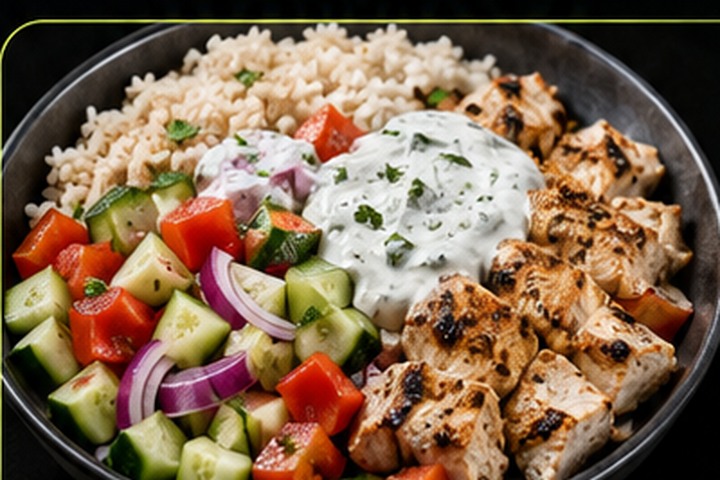
A useful one-person meal planner is not simply a recipe generator with serving sizes divided by four. It needs to understand grocery packages, personal constraints, interrupted schedules and the fact that leftover ingredients affect the next week.
Key takeaways
- Generate a complete week, not isolated recipes.
- Explain checkout, consumed and carryover values.
- Allow controlled meal replacements without rebuilding everything.
- Learn from prices, favorites and leftovers.
Personalized constraints
The planner should collect budget, general nutrition targets, store context, cooking time, equipment, dietary preference and disliked foods. These inputs should directly affect recipe eligibility and selection.
Package-aware groceries
The grocery list should include package quantities, estimated package prices and leftovers. This is the central difference between a helpful weekly tool and a cost-per-serving calculator.
Meal replacement controls
Users should be able to request cheaper, faster, higher-protein or grocery-overlap alternatives. They should choose from several suggestions before the grocery list changes.
Shopping and cooking modes
The application should provide a mobile checklist, actual-price entry, step-by-step cooking instructions and timers. These features connect the plan to real behavior.
Weekly memory
The next plan should retain favorites, avoid rejected meals, use remaining ingredients and improve price accuracy. That learning loop creates recurring value.
Questions people ask
How is a one-person planner different from a recipe site?
It coordinates an entire week, grocery packages, budget, leftovers and preparation rather than presenting isolated recipes.
Does SoloFuel replace a dietitian?
No. SoloFuel is a general wellness and convenience tool, not clinical nutrition advice.
Can users replace meals?
Yes. SoloFuel can suggest compatible alternatives and recalculate the plan after the user chooses one.