
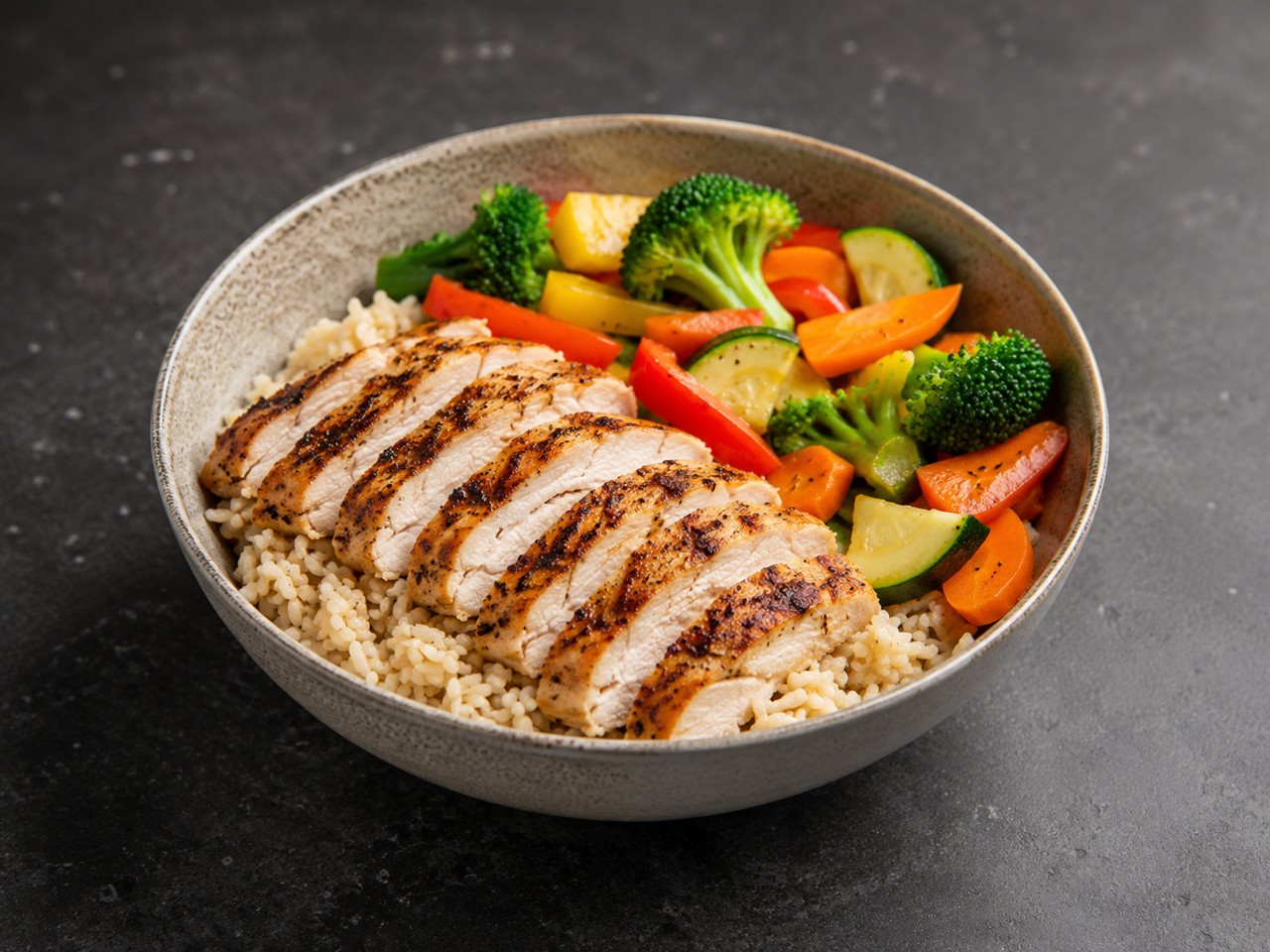
A Walmart-oriented meal plan can use common package formats and broad product availability, but the planner should still label every price as an estimate. Local inventory, brands and promotions change the final result.
Key takeaways
- Choose ingredients that are easy to locate and substitute.
- Track complete packages rather than only recipe portions.
- Use actual receipt data to improve future estimates.
- Keep a low-effort backup meal in the plan.
Use common ingredients first
Start with widely available proteins, grains, vegetables, dairy or plant-based alternatives. A plan built on ordinary ingredients is more resilient when a preferred brand or package is unavailable.
Model the complete package
The grocery estimate should account for the package a shopper is likely to buy. The consumed value and carryover value should be shown separately so the user understands why the receipt can exceed the sum of meal costs.
Plan for substitutions
A replacement flow should offer similar, cheaper, faster and grocery-overlap options. The user should see alternatives before the system changes the plan.
Use shopping mode at the store
Group items by aisle, show package quantities and allow the user to enter actual prices. A running total provides immediate feedback before checkout.
Improve the next week
Carry forward usable ingredients and local price history. The second plan should require fewer corrections than the first.
Questions people ask
Does SoloFuel guarantee Walmart prices?
No. All prices are estimates until the user confirms the local store price.
Can I use store-brand products?
Yes. The planner is based on ingredient categories, so store-brand products can generally be used when they fit the recipe and dietary preference.
What happens when a package is larger than needed?
SoloFuel separates the amount used this week from the value carried into the next week.